
Whoa, wallets aren’t what they used to be. I booted up multiple accounts and felt immediate relief. Seriously, gas estimation and contract approvals used to be nightmares for me. At first I assumed any multi-chain wallet would do, but after replaying transactions and simulating interactions I realized the surface-level convenience hides dangerous UX choices that can cost you real funds if you don’t get careful. This piece is about practical trade-offs and better flows.
Hmm… I have a confession. My instinct said one thing, then the data told another. Initially I thought broader chain coverage was the main win, but then I noticed that chain support without smart tooling just multiplies risk. On one hand you want to hop between L1s and L2s like it’s nothing; on the other hand your approvals and permit flows start stacking into a confusing pile that trips even experienced users. Something felt off about wallets that brag about “many chains” but ignore the nuances of contract interactions.
Wow, this grabs attention fast. Here’s what bugs me about naive approval UX. Too many wallets show a simple “Approve” button without simulating the financial impact or the allowance vector, so you approve potentially unlimited spend and don’t even see the token-approval crowd. I watched a friend accept a vague approval and then lose liquidity because an obscure contract drained an allowance he had set forever. That moment stuck with me—somethin’ about the casualness of tap-to-approve felt wrong.
Okay, so check this out—transaction simulation changes the game. Simulating before broadcasting gives you an extra pair of eyes on what a contract call will actually do, which is huge when interacting with unfamiliar contracts. Simulations can reveal slippage, reverts, or approval flows that would otherwise surprise you; they also show the gas profile so you can adjust priorities. I ran simulations across several DEXs and found differences in how contracts use transfers and approvals, which shifted how I approached each trade.
Really? Yes, and here’s why that matters. Multi-chain support without consistent simulation produces inconsistent safety guarantees, and that inconsistency is exactly where mistakes happen. You need both breadth and depth: broad chain coverage plus deep tooling that lets you reason about each contract call. If a wallet treats a simple approve the same way on every chain without analysis, you are trusting a black box that could be wrong when it matters most. I’m biased toward tooling that forces accountability, frankly.
Hmm, minor tangent—UI also matters a ton. I prefer clear affordances over flashy themes, and that preference is from painful experience. When the UI is clever rather than clear you end up guessing about allowances, and guessing in DeFi is expensive. So the wallet should be blunt: show what you approve, show what it costs, and show possible follow-on effects, even if that looks nerdy. People hate extra clicks, sure, but I’d trade a click for a saved fund any day.
Whoa, onto smart contract interaction specifics. Approvals are just the start; smart wallets should also surface what a contract call will change in state, like token balances, LP positions, or debt ceilings. Simulator output that explains “this will reduce your collateral by X” is more useful than raw bytecode or gas numbers alone. I remember once approving a vault interaction that had a subtle withdraw step; the simulation flagged the withdraw and I avoided a forced exit. That saved me a chunk—so yeah, simulations pay back quickly.
Hmm, about multi-account flows—this can get messy. Many users run multiple accounts for strategy isolation, but moving assets between them across chains requires clarity in origin and destination context. Wallets should display chain+account badges prominently during signing flows so you never sign with the wrong key. Simple but effective: trust is contextual, and context clashes are a frequent source of loss. I keep a ritual now—double-check badge, read simulation, then sign.
Wow, proactive security matters. Approvals deserve expiry and scoping by default, though many wallets still default to “infinite allowance” for convenience. I think that default is problematic. On the one hand infinite allowances reduce friction; on the other, they create long-lived attack surfaces. Practically, wallets should present a sensible default like a single-use or time-limited approval and provide a frictionless way to upgrade if needed. Users rarely revoke allowances because revocation UX is clunky—wallets should change that.
Alright, here’s the thing about DeFi composability. Smart contract interactions often chain calls together, and a single approval can ripple through multiple integrations that you might not recognize. Simulators that can replay composability paths help you see downstream effects and potential failure points before you sign. Initially I underestimated how deep the rabbit hole goes; once you trace a single “approve” into a multi-contract flow you start treating approvals differently. That shift in behavior matters for risk management.
Seriously, gas estimation must be context-aware. Gas on one L2 isn’t the same as gas on another, and sometimes the costliest part is the bridging step, not the on-chain call itself. Good wallets normalize these costs into a single “expected cost” view and give you options—speed up, delay, or change route—so you can weigh options. I experiment with routing and discovered cheaper combos by simulating bridge + swap sequences, which most wallets don’t surface by default.
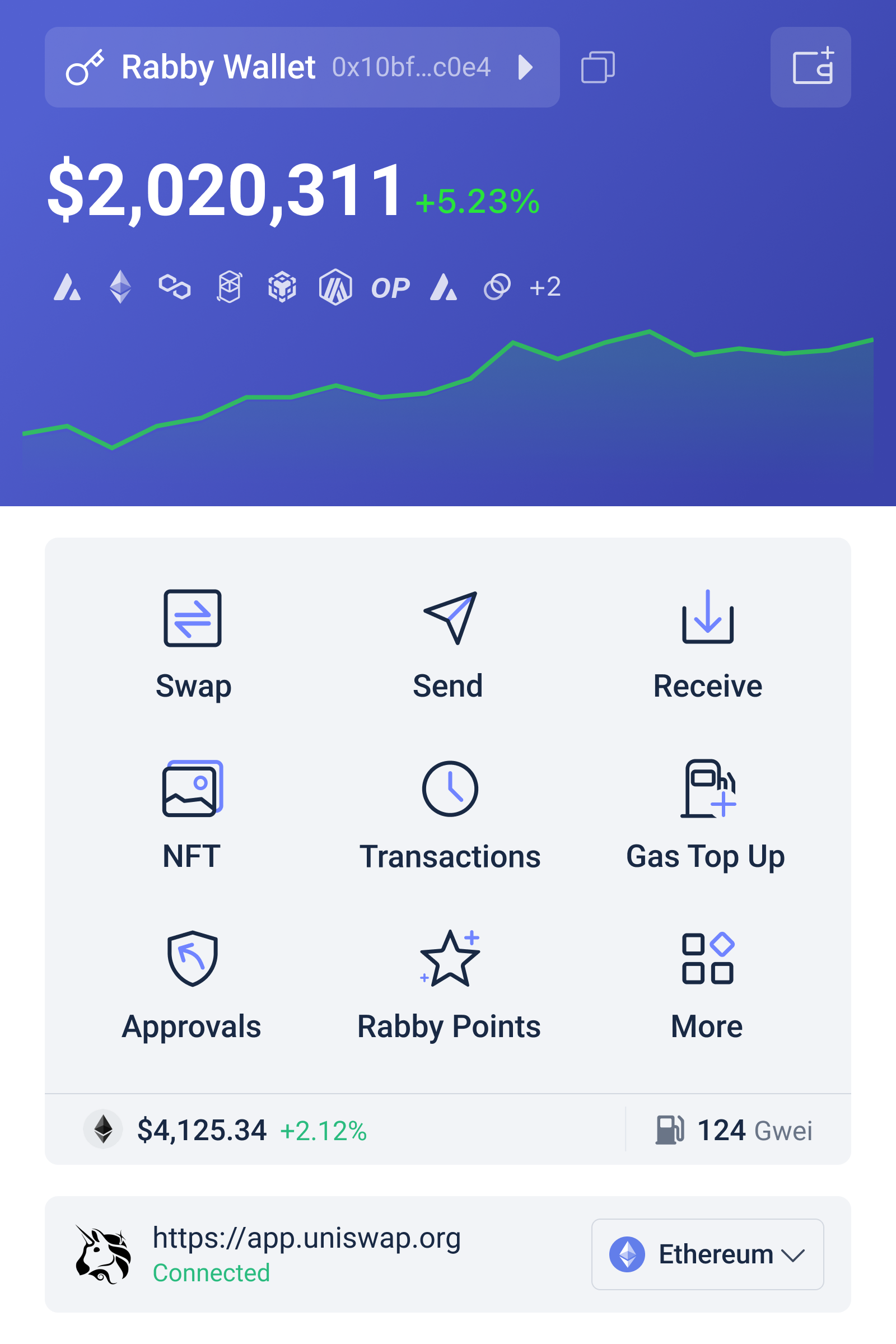
Whoa, practical recommendation time. If you want a wallet that tries to blend multi-chain coverage with smart safety features, check the one I use: rabby wallet. I say that because it focuses on transaction simulation, scopes approvals, and gives clearer contract interaction signals than many competitors. I had a night where a simulated revert saved me from a costly trade during a MEV sandwich attempt—Rabby’s preflight warnings were the reason I paused. I’m not sponsored here; I’m speaking from real usage patterns and real saved funds…
Hmm, balancing privacy and usability is another tension. Wallets that analyze transactions need some heuristics and heuristics can expose patterns, so privacy-preserving simulations are preferable. Some tooling sends data off-chain for analysis, which is fine if it’s transparent about what it collects. I’m not 100% sure of every telemetry trade-off, and you shouldn’t be either; ask questions and read the privacy bits. (Oh, and by the way, you can usually reduce off-chain exposure by disabling optional features.)
Wow, integrations and power-user features deserve a mention. Hardware wallet support, account abstraction compatibility, and programmable wallets unlock complex strategies, but they expand the attack surface too. Wallets should gate advanced features behind clear explanations and offer templates you can vet rather than raw script editors that encourage copy-paste danger. I use templates for recurring treasury ops and only allow custom scripts when they’ve been audited or peer-reviewed.
Okay, so check this final architecture thought—wallets should be layered. The base layer handles keys and chain multiplexing; the safety layer does preflight simulation and approval scoping; the usability layer streamlines common flows like staking or withdrawing. When layers fail, you can isolate the problem faster. It’s a design that scales and one worth insisting on as users demand more chains and more composability.
Common mistakes and quick fixes
Whoa, common pitfalls are surprisingly banal. Approving infinite allowances is the top offender. Forgetting to check the destination chain after a bridge step is next. Skipping simulation because you’re in a rush is dumb—rushed approvals are how people lose funds. Build habits: check badges, read the preflight, and prefer time-limited approvals.
FAQ
How does transaction simulation actually help?
Simulation runs a dry-run of the contract call against chain state and reports reverts, balance changes, and gas; it’s like a rehearsal so you know potential outcomes before committing. That reduces surprises and helps you choose safer parameters, or decide not to proceed, which is very very important for preserving capital.
Can multi-chain wallets be trusted with many accounts?
Yes, if they provide clear account and chain context during signing and support hardware-backed keys or account abstraction. Multiple accounts are useful, but they increase complexity and require disciplined UX signals to avoid accidental signatures or cross-account transfers.
What should I look for in a wallet right now?
Look for simulation, scoped approvals by default, transparent gas and bridge estimates, and straightforward revocation tools. Also value hardware compatibility and a clear privacy policy; those combine into a safer daily driver for active DeFi users.